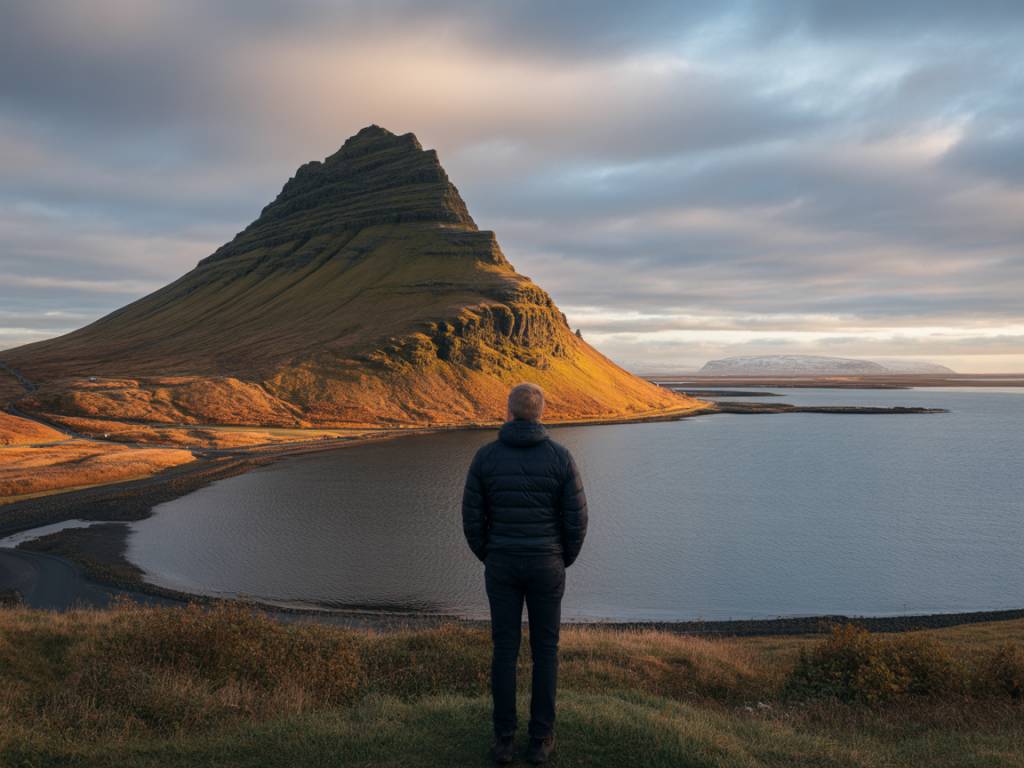
Traveling in Iceland in autumn is, in my view, one of the smartest ways to experience the country. The season arrives quietly, bringing cooler air, softer light, and a noticeable drop in visitor numbers after the busy summer months. For travelers who want to enjoy Iceland’s dramatic landscapes without constantly sharing the view with large crowds, autumn offers a very appealing balance. I have always found this time of year to feel calmer and more intimate, as if the island itself slows down and gives you more space to take it in.
What makes autumn especially attractive is that it combines several advantages at once: fewer tourists, rich colors in the landscape, and the return of dark evenings that can bring the Northern Lights into view. It is also a practical season for road trips, short city breaks, and photography-focused travel. Of course, Iceland in autumn still requires flexibility and preparation, but for many visitors, those extra considerations are well worth the reward.
Why autumn feels more peaceful in Iceland
One of the clearest reasons to visit Iceland in autumn is the reduction in crowds. Summer is the peak season, especially from June through August, when the Ring Road, popular waterfalls, geothermal areas, and the capital region can become noticeably busier. By September and October, the pace changes. I notice fewer buses at major sites, more availability in accommodation, and a general sense that the country is easier to enjoy at your own rhythm.
This quieter atmosphere has a big effect on the travel experience. At places like Gullfoss, Skógafoss, or the black sand beaches near Vík, the difference between summer and autumn can be striking. Instead of weaving through groups of visitors, I often find myself able to pause, listen to the wind, and appreciate the scenery in a more personal way. For many travelers, that sense of space is exactly what they hope for in Iceland.
It is not just the famous landmarks that benefit. Smaller towns, coastal viewpoints, and less-visited valleys can feel especially rewarding in autumn. The season encourages a slower style of travel, and I think that suits Iceland very well. The landscapes are vast, but they also invite quiet observation.
Autumn colors add another layer to the landscapes
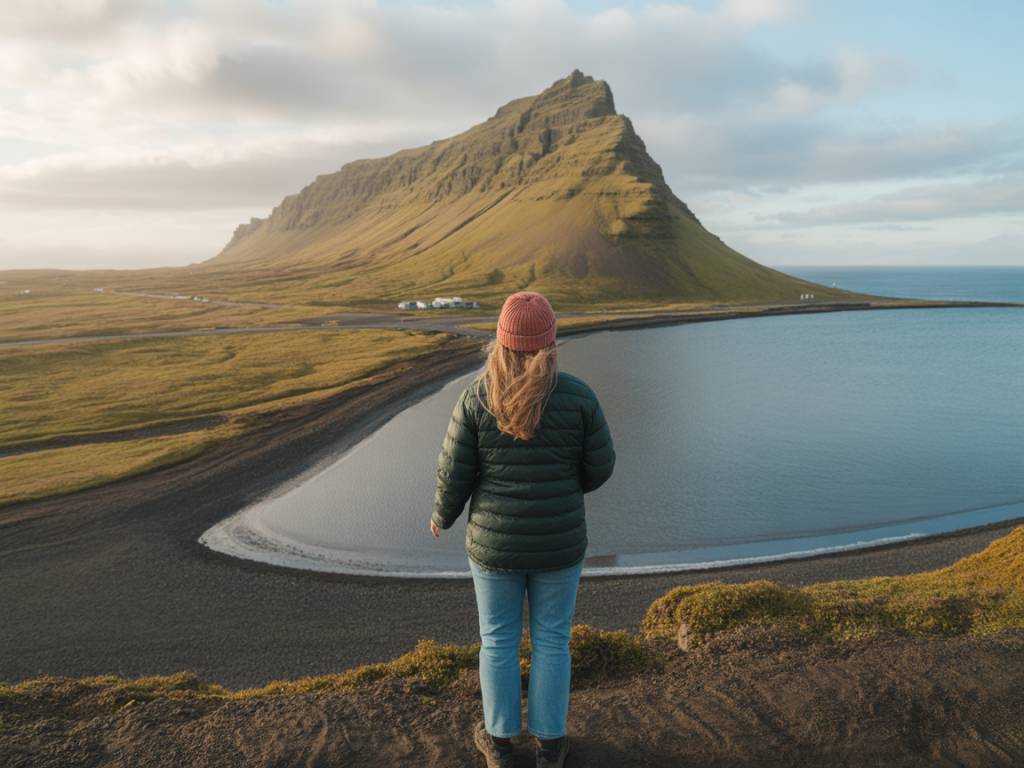
Iceland is not a place of dense forests and dramatic fall foliage in the way some travelers might expect from other destinations, but autumn still brings beautiful color changes. Mossy lava fields, golden grasses, red shrubs, and the occasional patch of birch forest create a subtle and very distinctive palette. In the right light, these tones can make the entire landscape feel softer and more textured.
In my experience, September is often the best month for seeing these seasonal changes. The countryside can look especially vivid around Þingvellir, the South Coast, the Snæfellsnes Peninsula, and in some inland areas where vegetation is more visible. Even in places that appear stark in summer, autumn introduces warmer tones that contrast beautifully with black volcanic rock, white waterfalls, and gray skies.
For photographers, this season can be excellent. The lower sun angle creates long shadows and warm light, particularly in the morning and late afternoon. I often find autumn images of Iceland more atmospheric than summer shots because the light adds depth and mood to already dramatic scenery.
The weather is changing, but that can work in your favor
Autumn in Iceland is transitional, which means the weather can be more unpredictable than in summer. Rain, wind, and sudden shifts in temperature are all part of the experience. Still, I would not describe this as a drawback for every traveler. In fact, I think the changing weather is part of what makes the season so compelling.
The skies often move quickly, creating a dynamic backdrop for the landscape. A bright morning can turn into a misty afternoon, and then clear again just in time for sunset. This variety adds character to a trip, especially if you are drawn to nature photography or simply enjoy seeing different moods of the same place.
Travelers should be prepared for shorter daylight hours as autumn progresses, especially in October and November. That means planning driving times carefully and building in flexibility for weather-related delays. I always recommend checking road and weather conditions regularly, because Iceland’s conditions can change quickly. With the right preparation, however, autumn travel remains very manageable and often more comfortable than many people expect.
Better conditions for popular attractions
Autumn can improve the experience at many of Iceland’s most visited sites. During peak summer, parking lots fill early, trails become busy, and some locations can lose a bit of their sense of wilderness. In autumn, I find that many of these same places feel more open and easier to appreciate.
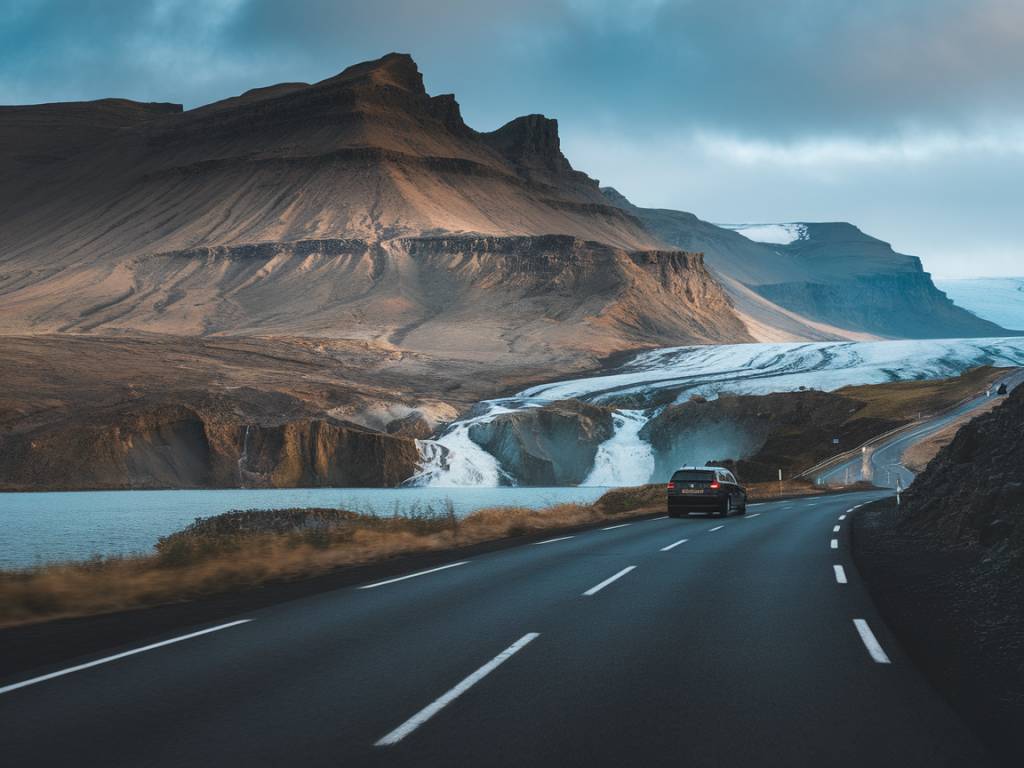
For example, the Golden Circle remains popular, but it often feels less rushed in September and October. The same is true for many South Coast highlights, including Seljalandsfoss, Reynisfjara, and Jökulsárlón. I have found that even when there are still visitors around, the atmosphere is more relaxed, and it is easier to spend time without feeling pressed by crowds.
This is particularly valuable for travelers who want to combine sightseeing with reflection, photography, or simple observation. Iceland’s scenery is powerful, and I think it is best experienced when you have enough space to stop and absorb it fully.
The Northern Lights become a realistic bonus
Another major reason I appreciate autumn in Iceland is the return of darker nights, which gradually improves the chances of seeing the Northern Lights. While aurora sightings are never guaranteed, the season from late September onward becomes increasingly favorable as daylight hours shorten. For many travelers, this adds a memorable extra dimension to the trip.
What I like about autumn is that it allows you to enjoy both daylight landscapes and night-sky possibilities in the same visit. You can spend the day driving past waterfalls, lava fields, and glacier lagoons, then keep an eye on the sky after dark. If conditions are right, the experience can be unforgettable. Even when the aurora does not appear, the long autumn evenings create a calmer travel rhythm that pairs well with Iceland’s remote scenery.
Practical advantages for planning a trip
Beyond the scenery, autumn often brings practical benefits for travelers. Accommodations can be easier to book than in peak summer, and in some cases, prices may be more favorable. Rental cars and tour availability also tend to improve compared with the busiest months. For anyone planning on shorter notice, that flexibility can make the trip much simpler.
I also think autumn is a good season for travelers who prefer a more balanced itinerary. It is still possible to explore widely, but the reduced intensity of peak season can make the trip feel less hectic. That can be especially useful if you are traveling with family, focusing on photography, or trying to fit Iceland into a limited number of days.
Some of the most useful practical advantages include:
- Fewer crowds at major attractions
- Better availability in hotels and guesthouses
- More room for spontaneous travel planning
- Improved chances of seeing the Northern Lights
- A calmer, slower overall atmosphere
How I would approach an autumn Iceland itinerary
If I were planning an autumn trip to Iceland, I would focus on flexibility and sensible pacing. I would not try to see too much in too little time, especially if driving between regions. Autumn weather can occasionally disrupt plans, so I would prioritize a route that leaves enough room for adjustment. In my opinion, that approach leads to a much better experience than rushing from one landmark to the next.
A few days in Reykjavík combined with a South Coast road trip can work very well in this season. Travelers with more time could add Snæfellsnes, the Eastfjords, or a geothermal-focused itinerary around the southwest. I would also allow time for simple, low-pressure experiences such as soaking in a hot spring, walking along a quiet shoreline, or stopping at a roadside viewpoint without hurrying.
For autumn travel, I think these habits are especially helpful:
- Check the weather forecast every day
- Monitor road conditions before long drives
- Book key accommodation in advance, especially for popular routes
- Pack layered clothing and waterproof outerwear
- Leave room in your schedule for spontaneous stops
Why this season stands out for landscape lovers
For travelers who are mainly drawn to landscapes, autumn may actually be one of the best times to visit Iceland. The season delivers a combination that is difficult to match: quieter roads, dramatic natural scenery, changing colors, and the possibility of aurora viewing. It is not the most predictable season, but that unpredictability often adds to the sense of adventure.
I have always felt that Iceland rewards travelers who are willing to adapt to the conditions. In autumn, that adaptability is especially valuable. The weather, light, and landscape can shift in a single day, and those changes create memorable experiences that feel vivid and unique. Rather than chasing the polished version of Iceland seen in summer brochures, autumn gives you something more atmospheric and, in many ways, more authentic.
For anyone looking to avoid the busiest crowds while still seeing Iceland at its most striking, autumn is a season worth serious consideration. It offers a quieter, more spacious way to travel, and it allows the country’s natural beauty to come forward in a softer, richer form. In my opinion, that combination makes autumn one of the most rewarding times to discover Iceland.